Toilet Training Without Tears: Parents’ Step-by-Step Guide
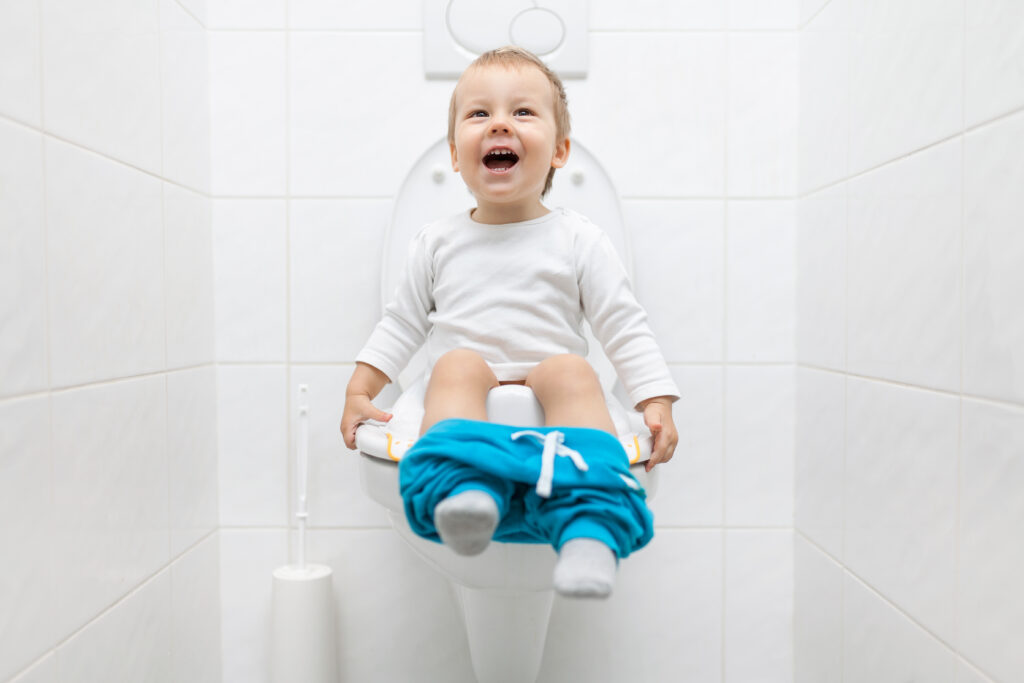
Toilet training is a milestone every toddler will reach, but for many parents, it can feel overwhelming. The good news? It doesn’t have to be stressful. With the right approach, patience, and support, your child can learn to use the toilet or potty confidently — and you can guide them without tears or frustration. Toilet Training Without Tears!
Signs That Your Child May Be Ready
Not every toddler is ready to start toilet training at the same age. While some children may be ready around 18 months, others may need more time. Here are signs that your child is ready to start:
- They can stay dry for at least two hours. (Dry nappy)
- They show awareness of their bladder or bowel movements (for example, hiding when they wee or poo).
- They can follow simple instructions and communicate their needs.
- They are curious about the toilet or potty and want to sit on the toilet seat. They watch you go to the toilet.
Encourage your child, but remember — there’s no perfect age. Toilet training is easier when your child is truly ready.
Step-by-Step Toilet Training Guide
Step 1: Introduce the Potty or Toilet
Place a potty or the toilet in a familiar spot. Some children may prefer to sit on the potty, while others are comfortable on the toilet with a toilet seat insert. Let your child explore without pressure.
Step 2: Establish a Routine
Encourage your child to sit on the potty at regular times, such as after meals or before bedtime. Making it part of daily mealtime and play routines helps your child learn faster.
Step 3: Show and Tell
Children learn by watching. Let them see siblings or parents use the toilet, and explain in simple words how to use the potty. Use food groups and fun examples like yoghurt or fruit and vegetables to make it relatable.
Step 4: Handle Accidents Calmly
Accidents are normal. If your child doesn’t make it to the potty in time, stay calm. Encourage your child with praise for trying, not punishment for accidents.
Step 5: Progress to Underwear
When your child is using the potty more consistently, let them wear training pants or underwear. This helps them feel the difference when they are dry versus when they need to go.

Common Challenges and How to Overcome Them
- Refusal to Sit on the Potty: Encourage your child gently. Sometimes, a new baby in the family or big changes can cause setbacks.
- Fear of the Toilet: Use a potty first, then slowly transition. A small toilet seat or step stool can help children feel safer.
- Constipation or Bladder Issues: If your child feels pain when toileting, consult a health nurse or health professional.
- Regression: It’s common when toddlers experience stress. Encourage your child and maintain consistency.
Tips to Make Toilet Training Fun
- Use a sticker chart to track progress.
- Read toilet training stories together.
- Let your child choose their potty or training pants.
- Celebrate small successes like sitting on the potty, even if they don’t wee or poo.
When to Seek Extra Help – Toilet Training Without Tears
Sometimes, despite your best efforts, toilet training feels stuck. Signs you may need guidance from a health nurse, health professional, or child health nurse include:
- Ongoing constipation or bladder problems.
- Child shows fear or distress every time you encourage toilet or potty use.
- Toilet training difficulties lasting many months with little progress.
Remember: every child learns differently, and help is always available.
Support for Parents – Toilet Training Without Tears
You don’t have to navigate toilet training alone. Parenting support tools can make the process smoother and less stressful.
Get the Easy Potty Training Guide eBook – your step-by-step companion.
Join the Toddler Behaviours Mastery Course – learn strategies beyond toilet training.
Chat with Parenting Live Expert – get personalised guidance when your child feels stuck.
Final Thoughts – Potty Training
Toilet training is not just about teaching your child to use the toilet — it’s about building confidence and creating positive habits. With patience, encouragement, and the right support, you can help your child learn to use the toilet without tears.
👉 Start today with the Easy Potty Training Guide.
👉 Explore the Toddler Behaviours Mastery Course.
👉 Connect with Parenting Live Expert for real-time support.
The Parenting Genie website has comprehensive resources and tools.
The Raising Children website has some tips and insights on toilet training.